
Shopping Cart
There are no more items in your cart


Available
Secrets, techniques and professional tips to keep your makeup stable, fresh and radiant all day long — even under the most demanding conditions.

Makeup that stays flawless all day isn't a matter of luck, but proper preparation, smart product choices and small techniques that make a huge difference. In today's beauty world, where heat, humidity, intensity and fast-paced lifestyles can easily compromise makeup, knowing the right steps is what separates a simple look from a truly stable and professional result.
When you combine hydration, suitable primers, proper foundation, correct product textures and smart finishing, makeup can remain unchanged from morning to night — even on the most challenging days.
Stable makeup ALWAYS starts with proper preparation. Even the most expensive foundations or primers won't "sit" well if the skin is dehydrated, oily, rough or has dry patches. Preparation is the cornerstone for every long-lasting look and the stage where most women make mistakes: they start makeup without first caring for the skin's surface.
Hydration is the A and Z. For combination or oily skin we choose lightweight, oil-free moisturizer. For dry skin we prefer richer textures, but always allow 3–4 minutes for the product to "settle" before proceeding. Hydration works as a "cushion" between the skin and makeup, preventing foundation from breaking, creating lines or gathering around pores.
Finally, don't forget the eye area. Makeup often breaks down on the lower lid because the area is dry. A light eye cream reduces lines and helps concealer stay stable for hours. Once preparation is complete, the skin is ready to properly receive primer and foundation.
Primer is perhaps the most misunderstood product in makeup. Many women consider it an unnecessary step — but in reality it's what determines the endurance, uniformity and longevity of makeup. Think of it as a "second surface" between skin and foundation: it creates a smoothing layer that locks in hydration, prevents makeup from oxidizing and helps textures remain stable for many hours.
A third category is pore-filling primers. These are magic for pores, skin texture, marks and irregularities. They contain silicone compounds that fill small cavities, so foundation spreads perfectly — without looking heavy or thick. When applied correctly, the result resembles a natural filter.
Another professional secret is "double primer." For example, mattifying primer on the T-zone and hydrating primer on dry spots. This balances the skin and allows makeup to stay stable from morning to night — especially on demanding days with heat, humidity or sweat.
«Long-lasting makeup isn't a matter of luck but technique. The better the skin prep and primer, the more stable the result.»
Choosing the right foundation is perhaps the most critical point for makeup that lasts. "Good coverage" isn't enough. Foundation must work with your skin, spread evenly and not get heavy during the day. That's why the right texture is more important than the brand or product popularity.
As for concealer? It's equally important. Apply in thin layers. If you put a large amount under the eyes, it will crease within a few hours. The makeup artists' trick is "target placement": first a very thin layer for pre-correction and then a small amount only where real coverage is needed. This creates a more natural and stable result.
Another secret: let foundation "settle" for 60–90 seconds before proceeding to powder. This helps ingredients mix properly with primer and moisturizer, creating a film that provides endurance.
Powder is the product that "locks" foundation and concealer. Without it, makeup has no longevity. It's not just about which powder you use, but HOW you use it. The wrong technique can make skin look heavy or "broken."
The "press & roll" technique is what professionals use: you press powder (don't rub it!) onto foundation with a powder puff or dense sponge. This way you fill pores, stabilize concealer and make the result last even longer. Conversely, simple brush strokes often aren't enough, especially in heat or humidity.
An advanced trick is "reverse powdering." Those who want ultra-long lasting makeup apply it: first a thin layer of powder, then foundation, then powder again. It's ideal for high temperatures and makeup that must remain flawless for many hours (weddings, events, photoshoots).
«The better you set foundation, the less you need touch-ups. Powder is the real "key" to longevity.»
Face sculpting products (blush, contour, bronzer, highlighter) don't just have an aesthetic role. They also function as "structural materials" of makeup, helping the overall look appear fresher and more resilient during the day. However, to remain stable, they require texture combination and proper application technique.
The makeup artists' golden rule is this: whatever is creamy gets sealed with powder — and whatever is powder gets applied ON TOP of set foundation. This way you ensure it won't "fade" during the day or create patchiness. So, if you use cream blush or cream contour, you must ALWAYS stabilize them with a very light amount of corresponding powder on top.
Highlighter requires attention to textures. Liquid or cream compositions have a more natural result, but must be properly "locked." If you want maximum stability, try layering: first a little liquid highlighter, then a very thin amount of powder highlight only where light naturally falls. This way radiance is maintained without compromising.
Setting spray is the product that "seals" the result at the end. Without it, makeup remains exposed to heat, humidity, sweat and facial movements. With the right spray, however, a thin veil of stability is created that keeps the look fresh for many hours. It's essentially makeup's top coat.
Proper application method makes a huge difference. The secret is distance: 25–30 centimeters, never closer. The goal is to create a thin, even mist over the face and not to wet the foundation. Spray in an "X" motion and then "T", so the entire skin surface is covered.
For very demanding days (events, parties, nights with intense movement), you can apply a second spray layering at the end — but careful: always thin. Excessive setting spray makes skin look heavy.
«The right setting spray isn't just finishing — it's a longevity shield that keeps makeup intact all day.»

Subscribe to our newsletter and receive content about makeup, skincare and beauty trends — tailored to your needs.
No spam. Only substance.
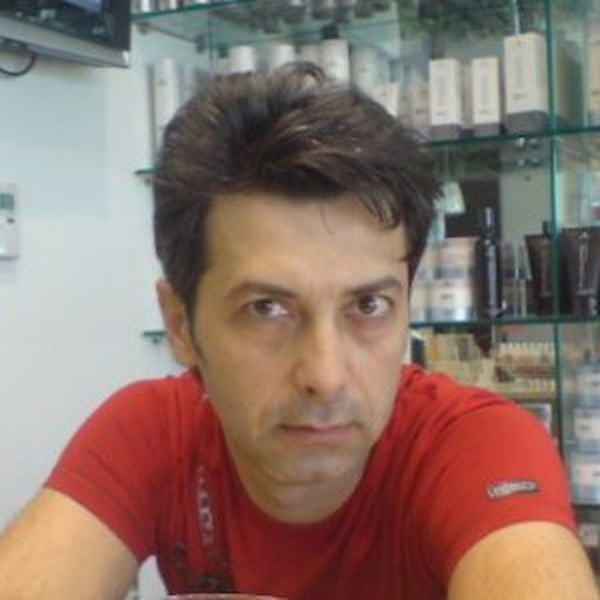
Giannis – Owner of HairMania Greece & Founder of HairMaker.Gr
Professional hairstylist with 25 years of experience in the beauty industry. Owner of HairMania Greece and creator of HairMaker.Gr.
At HairMaker.Gr I publish articles based on real experience, product testing and feedback from dozens of beauty clients.
For inquiries contact info@hairmaker.gr.
Follow us:
@hairmakergr | @hairmaniagr


Comments (0)