
Shopping Cart
There are no more items in your cart


Directly In Stock
Complete guide to shampoo selection & proper cleansing routine

Oily hair is one of the most common and frustrating hair care concerns, as it can make any hairstyle look heavy, flat, and “unwashed” within just a few hours. Although sebum is essential for scalp health, excessive production can disrupt balance and make daily hair care more challenging ✔️
In this in-depth guide, we’ll explore why hair becomes oily, which mistakes make the problem worse, and—most importantly—how choosing the right shampoo can transform your scalp. Based on professional experience, modern formulas, and practical advice, we’ll help you achieve clean, lightweight, and healthy-looking hair that lasts ✨
Oily hair is not necessarily a sign of poor hygiene. On the contrary, it is a natural function of the scalp related to the activity of the sebaceous glands. Sebum protects both the skin and hair, but when produced in excess, it creates that heavy, dull appearance.
Genetic predisposition plays a crucial role. Some people naturally have more active sebaceous glands, causing their hair to become oily much faster. In these cases, even the right shampoo should regulate oil production rather than aggressively strip the scalp.
Another major factor is over-washing. When hair is washed daily with strong cleansers, the scalp “panics” and produces even more oil to protect itself. This vicious cycle often results in noticeable oiliness within just a few hours.
Finally, using unsuitable products—such as heavy conditioners, oils, and serums that touch the scalp—can significantly worsen the situation. For oily hair, simplicity and targeted product selection are always the key.
Beyond genetics, there are everyday habits that increase oiliness without us even realizing it. One of the most common mistakes is constantly touching the hair. Each time we run our fingers through it, we transfer natural oils from the scalp down to the lengths.
Hormonal changes are also a key factor. Periods such as puberty, pregnancy, or high stress levels can significantly increase sebum production—even in people who never had oily hair before.
Diet should not be underestimated. Excessive sugar intake, processed foods, and unhealthy fats can directly affect skin and scalp balance. On the other hand, proper hydration and essential vitamins help regulate oil production.
Finally, environmental factors such as humidity, pollution, and dust cling to sebum, making hair appear even heavier. In these conditions, a specialized shampoo for oily hair truly makes a difference.
Managing oily hair is not about using a “harsh” shampoo, but about following a smart strategy. In professional hair care, the first piece of advice is always the same: consistency and balance. Your scalp needs time to adapt to a new routine.
If you currently wash your hair every day, gradually try to extend the time between washes. Start by washing every two days. This allows the sebaceous glands to “calm down” and reduce excess oil production.
When your cleansing routine is done correctly, hair gains natural volume, a fresh feel, and stays clean for longer—without extreme measures or overcorrection ✨
“Within two weeks I noticed a clear difference. Oiliness was reduced and my hair looks fresh for many more hours.”
— Maria K.
(Oily scalp – fine hair)
“I followed the advice without extremes and stopped daily washing. The result was a much more balanced scalp.”
— George P.
(Oily roots – daily styling)
“I didn’t want anything aggressive. With the right shampoo and routine, my hair stays clean without feeling heavy.”
— Eleni S.
(Colored hair – oily scalp)
“This article helped me understand what I was doing wrong. Fewer products, the right shampoo, and a visibly better result.”
— Nikos D.
(Oily scalp – normal hair)
A shampoo for oily hair should cleanse effectively without stripping the scalp. Professional formulas are designed to remove excess oil while maintaining the skin’s natural protective barrier.
In barbershops and hair salons, shampoos with targeted active ingredients are preferred, as they provide a long-lasting clean feeling and a sense of freshness.
The right shampoo doesn’t fight your scalp — it works with it.
In practice, many oiliness issues are not caused by the scalp itself but by incorrect habits. One of the most common mistakes is using too much shampoo. More product does not mean better cleansing—often it leaves residue that weighs hair down.
Another frequent error is scrubbing the scalp aggressively with your nails. This irritates the skin and further activates the sebaceous glands. In professional washes, scalp massage is always gentle and controlled.
Finally, excessive use of dry shampoo may offer a temporary feeling of cleanliness, but over time it clogs the scalp and increases oiliness. Balance is always the secret ✨
The right care routine for oily hair is not complicated—it just needs to be consistent. In everyday professional practice, we see that people who follow simple, clear steps achieve the best results.
Start with a specialized shampoo for oily hair, 2–3 times per week. In between, if needed, opt for a mild balancing shampoo instead of repeated deep cleansing.
A clean scalp means hair with volume, movement, and lasting freshness.
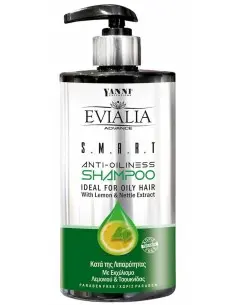
Ideal for heavy oiliness and product buildup. Provides deep cleansing and long-lasting freshness.
✔️ Once a week
⚠️ Not for daily use
Balances sebum production without drying the scalp. The safest option for frequent use.
✔️ 2–3 times per week
✔️ Ideal for daily routines
Provides a cooling, clean sensation with mild antibacterial action.
✔️ Long-lasting freshness
⚠️ Not for very sensitive skin
Cleanses gently while preserving the scalp’s natural balance. Suitable for frequent washing.
✔️ Gentle action
✔️ Ideal for colored hair

Subscribe to our newsletter and receive exclusive content about shaving, beards, hair, and men's grooming — straight from our barbershop experience.
No spam. Only substance.

Giannis – Owner of HairMania Greece & Founder of HairMaker.Gr
Professional hairdresser with 25 years of experience in hair and beard care. Owner of HairMania Greece and founder of HairMaker.Gr.
Together with the HairMaker.Gr team, I publish articles based on real-world testing, customer feedback, and barbershop experience.
Questions about hair or grooming? Email us at info@hairmaker.gr.
Follow us:
@hairmakergr | @hairmaniagr


Comments (2)