
Shopping Cart
There are no more items in your cart



Available

Creating the perfect shaving lather is a ritual that combines technique, patience, and the right tools. While for many it seems like a simple process, in reality, behind the rich, creamy lather lies a series of factors that directly affect the quality of your shave. From water hardness and brush quality, to the type of soap or cream – every step plays a role in the final result.
At HairMaker.Gr, through dozens of tests in the barbershop and customer feedback, we've developed practical, easy, and effective techniques for everyone. In this guide, I'll show you how to create lather that stands firm, spreads easily, and gives you a genuinely comfortable, close shave without irritation every time. ✨
The process of creating perfect lather begins long before it touches your face. From choosing the right brush to the type of soap, everything contributes to the final result. Many believe that lathering performance depends exclusively on the soap – however, the brush, moisture, and movement technique play an even more important role. The first step is understanding how each tool behaves, because each material absorbs water differently, each bristle has different elasticity, and each soap "thirsts" for a different amount of water.
Equally critical is water quality. Hard water with calcium and magnesium makes it difficult to create thick lather, and often customers think "the soap doesn't lather," when in reality the water is to blame for everything. If you frequently struggle, start with less water and build gradually. The secret isn't quantity, but balance: a few drops, many times, until you see the brush opening up and filling with creamy texture.
"Loading" the soap into the brush is perhaps the most misunderstood stage. Many use excessive amounts of soap and end up with lather that's too dense and "heavy" on the skin. Others add too much water from the start, resulting in something like "bubble bath" instead of solid lather. The proper process is gradual: wet the brush, squeeze it lightly, and start rubbing in circular motions on the soap for about 20–30 seconds.
Once you've loaded the soap, the continuation happens either in a bowl or directly on the face. With circular and upward motions, the soap begins to incorporate air and water. This requires patience: add a few drops, mix, observe. When the lather starts to stand and "shine," you've found the balance point. Even professionals at the barbershop often need different handling depending on the soap – especially the harder triple-milled soaps.
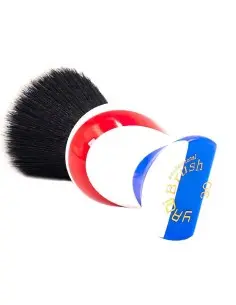
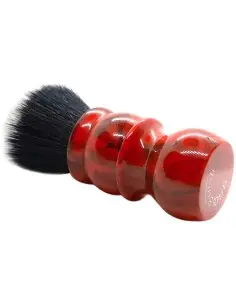
Choices we recommend at HairMaker.Gr for consistent, rich lather:
Choices tested with real customers at the barbershop.
"At the barbershop, I often see men who think thin lather means 'clean work.' In reality, good lather needs body and slight elasticity — that's where all the protection lies."
Water hardness is one of the most underrated yet decisive factors in shaving lather quality. In my work at HairMania Greece, I often see customers trying expensive soaps, branded brushes, and excellent blades, but still getting "broken," unstable lather. The first thing I ask them is: "Where do you live?" If they live in an area with very hard water (Athens, Thessaloniki, specific areas with high calcium), then all other tools become secondary.
Some brands have formulas that perform much better in hard water. So-called "tallow-based" soaps, which are based on animal fat, are structured to better withstand metallic interactions. On the other hand, high-quality vegetable soaps (triple-milled, cold process) can also perform wonderfully, as long as the right amount of water is added. This balance is what determines the final result.
Another tip that often works in difficult areas is pre-soaking the soap ("blooming"). You pour a few drops of warm water directly on the soap for 2–3 minutes, which temporarily softens the surface and helps you load more easily. While this practice divides many wet shavers, it makes a real difference with specific soaps. The secret is to experiment – and when you find the combination that works, you'll see dramatically richer, fuller lather.
"The mistake I see again and again: wet brushes like they came out of the sea. The brush should only be damp — otherwise the soap 'drowns' and the lather never binds properly."
In the world of traditional shaving, soaps and creams aren't just "similar products." Their difference is fundamental and determines the type of lather you'll create. Soaps require a bit more time for loading, but offer "drier" and more stable lather with great longevity on the skin. They're ideal for skin that needs endurance and protection from blade friction. On the other hand, shaving creams have a more "ready" texture and start lathering immediately – they work excellently for those who want an easy, quick solution or have sensitive skin.
In contrast, creams work like "automatic transmission." With a minimal amount, they easily create dense lather. I really like them for customers who have rushed morning routines or for those who deal with skin sensitivity due to dryness. Creams tend to have higher glycerin levels, which offers additional blade glide.
The bowl method and the face lathering method are two schools of shaving that differ significantly. At the barbershop, we observe that each customer has personal preferences, but also different needs. The bowl technique offers greater control over lather texture; it's like "cooking" the lather with precision, gradually adding water until you achieve the ideal result. The bowl is first heated with warm water, creating a more comfortable, warm lather that spreads evenly on the face.
The bowl technique is ideal for soaps that require more "building," like triple-milled ones. Face lathering works excellently with softer creams or semi-soft formulas. The result also differs in duration: bowl lather usually has greater stability, while face lather may need small touch-ups with the brush.
The conclusion is simple: there's no "best" method; there's only the method that suits your own skin and your own products best. That's why many at the barbershop use both techniques, depending on the type of soap or the time they have in the morning. Flexibility is the strongest weapon of traditional shaving.
"With the right brush and a little patience, my lather finally became thick and stable. It didn't 'break' like before and shaving simply changed levels."
— George P.
(Skin type: normal – daily shaving)
"I hadn't realized how much the hard water in my neighborhood was to blame. Changing technique and loading time, I finally created rich lather effortlessly."
— Manolis R.
(Skin type: sensitive – frequent redness)
"Face lathering was a revelation! The hair lifts better and the lather comes out more 'alive.' It really improved the result on my neck."
— Thanasis D.
(Skin type: combination – demanding neck area)
"Following the advice for small water additions, I achieved for the first time lather that the razor doesn't 'drink up.' Much more comfortable shaving."
— Stelios T.
(Skin type: dry – frequent nicks)
After you've tried the basic methods and know how soaps, creams, and water behave, it's time to take the shaving experience to another level. At the barbershop, there are little "secrets" you only learn through real friction with daily shaves. One of these is the proper use of pre-shave oil. A few drops before lathering work wonders: they soften the hairs, create a thin protective film, and allow the blade to glide without resistance.
Another secret is "damp brush – dry loading." The brush should have only light moisture when starting, otherwise the water becomes excessive and the lather weakens. We add water only after the soap starts to lather. Small movements, small amounts, repetition – that's the golden rule.
Finally, remember that shaving is a ritual. We don't rush. We create the lather calmly, with proper loading, with gradual water addition. When the lather is rich, shiny, and "stands," then you know it's at the ideal point. That's where the real premium result lies.
"When the customer struggles to achieve lather, it's almost always loading at fault. We count together 30–40 seconds on the soap — and then the lather takes off without any magic."
Choices we love at the barbershop for stability, durability and comfort:
Products we use daily at the barbershop with excellent results. ✨
Face Lathering
Ideal for harder beards, natural exfoliation and immediate hair lifting.
Bowl Method
Absolute texture control, warm lather and stable long-lasting results.
Hard Soaps
Stable lather, product economy, perfect performance in long shaving sessions.
Shaving Creams
Immediate lather production, ideal for sensitive skin and quick routines.
"The most important detail that makes the difference: apply the lather against the grain. Only this way does the hair lift properly and irritations are dramatically reduced."

Subscribe to our newsletter and receive exclusive tips for shaving, beard care and men's grooming — straight from the barbershop.
No spam — only value.
"The traditional art of shaving hides dozens of technical terms that often confuse beginners. That's why we created at HairMaker.Gr a complete Traditional Shaving Glossary: from brush backbone to soap lubricity, everything is explained simply and clearly. This glossary is continuously updated based on feedback from barbershops and real product testing."

Giannis – HairMania Greece & HairMaker.Gr
Professional hairstylist with 25 years of experience in grooming and traditional shaving.
My articles are based on real barbershop testing, customer feedback and personal expertise. My goal is to make men's grooming easy — and genuinely enjoyable.
Email: info@hairmaker.gr
Follow:
@hairmakergr | @hairmaniagr


 7 Review(s)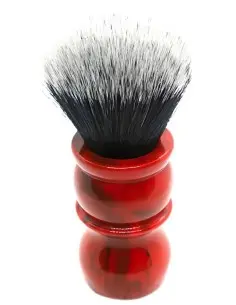

Ενεργοποίησε τις ειδοποιήσεις και μπες στην ομάδα του HairMaker.Gr!
Comments (0)