
Shopping Cart
There are no more items in your cart



Available
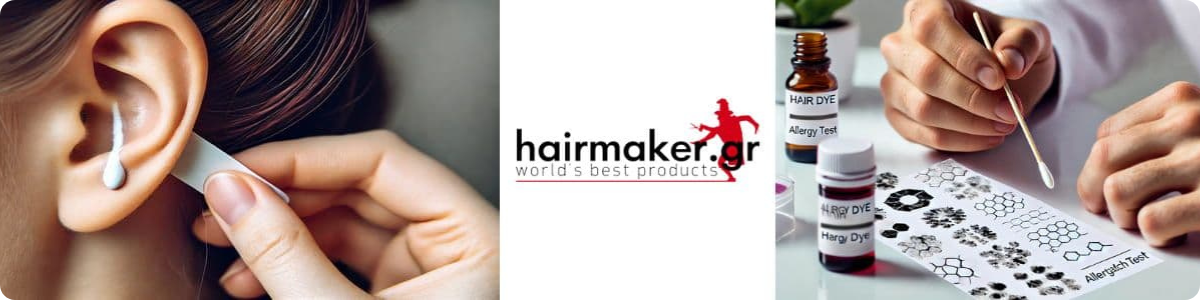
The allergy test is one of the most important steps before any hair or beard dye application. Although often skipped, it is a safety measure that can prevent irritation, unpleasant reactions, and serious symptoms ⚠️. Especially for those trying a new shade, new brand, or product with a different formula, the allergy test ensures that the coloring experience will be safe and predictable.
At HairMaker.Gr, we believe that proper information is the foundation of a healthy beauty routine ✨. That's why we created a complete guide explaining what an allergy test is, when it should be done, what steps it follows, and why it's so important for those using chemical products, whether at home or at the salon. Here you'll find all the information gathered with clarity and a professional approach.
An allergy test is a medical procedure designed to identify substances that cause adverse reactions in the body. Despite sounding simple, it is one of the most important procedures in both aesthetics and medicine, especially when using products that come into direct contact with the skin. In the hairdressing field, allergy tests have particular value because dyes, oxidizing creams, and styling products often contain molecular compounds that can cause reactions.
Our immune system reacts to allergens as if they were dangerous substances. This leads to symptoms such as itching, redness, swelling, and even serious respiratory difficulties in extreme cases. That's why a proper allergy test isn't "optional" — it's a protective measure that should be applied before any new chemical application to hair. Many salon incidents show that skipping the test can lead to seriously unpleasant experiences.
The allergy test doesn't only concern hair dye products. Even shampoos with strong active ingredients, keratin masks, or styling products with high concentrations of fragrances can cause reactions. For this reason, HairMaker.Gr experts always recommend performing a test before any new care line.
There are several methods for evaluating whether someone is allergic to specific substances. The most widespread is the Skin Prick Test, where small amounts of allergens are placed on the epidermis. If there is sensitivity, the skin reacts with a small bump, similar to a mosquito bite.
Another important method is the blood test, which measures the presence of specific antibodies in the blood. This procedure is ideal for people with skin problems, those taking medication, or when skin tests cannot be performed for other reasons.
When symptoms appear with a delay — often after hours or days — the Patch Test is used. This is the method dermatologists use to identify reactions from beauty products, metals, fragrances, and preservatives.
If you frequently experience itching, redness, wheezing, or skin irritation, experts recommend scheduling a test in a medical setting to rule out potential allergens ⚠️. Early diagnosis significantly reduces the likelihood of a serious reaction in the future.
Understanding the symptoms of an allergic reaction is essential for timely treatment and prevention of more serious incidents. Symptoms may appear a few minutes after contact with the allergen or even hours later, depending on the type of sensitivity. In any case, knowing the first signs allows the user and professional hairdresser to act immediately.
In more serious cases, severe swelling, difficulty breathing, or a burning sensation on the skin may occur. These reactions require immediate medical attention and discontinuation of any chemical procedure. Salons that respect their clients — like the professionals working with HairMaker.Gr — know the importance of proper management of such incidents.
Although an allergy test is always recommended, there are specific cases where it is considered absolutely necessary. A basic rule is that every time you change hair dye product, company, or care line, a test should precede — regardless of how "safe" or "mild" the product is considered.
Many consumers don't know that even the same dye they've used several times can cause an allergic reaction after changes in the composition or pH of the formula. That's why professional hairdressers insist on repeated testing, especially for sensitive skin.
Proper execution of an allergy test is the key to a safe result. Although the procedure is simple, it must be followed faithfully for the conclusions to be reliable. Many HairMaker.Gr professionals report that the biggest source of errors occurs when the client rushes or ignores the necessary steps.
The first and most important stage is preparation. The skin must be clean, without products, fragrances, or moisturizing creams. The application point: behind the ear or on the inner side of the elbow.
Hairdressers with many years of experience know that reactions can appear slowly. That's why they insist on the 48-hour duration and no less. The allergy test is not a formal procedure — it's an essential step of protection.
Allergies affect millions of people worldwide, causing anything from mild symptoms such as sneezing or itching to severe and potentially life-threatening reactions like anaphylaxis. Understanding how your immune system responds to different substances—and knowing when to speak to a specialist—is essential for safe and effective allergy management.
An allergy test is the first and most reliable step toward an accurate diagnosis. Its purpose is to identify whether your body overreacts to specific substances known as allergens. Common allergens include foods, pollen, dust mites, pet dander, mold, medications, insect venom, and even certain chemicals found in cosmetics or household items.
Below you’ll find a collection of practical, easy-to-follow tips designed to help you understand when allergy testing is necessary, which testing method may be appropriate, and how to prepare properly for accurate results.
A structured allergy evaluation by a qualified specialist can dramatically improve your quality of life. With proper testing, medical guidance, and an individualized management plan, most allergies can be controlled effectively—and many troublesome symptoms can be prevented altogether. Knowledge is your strongest tool, and allergy testing is the first step toward a safer, healthier daily routine.
Although the allergy test significantly reduces the chances of a reaction, there are cases where symptoms may appear during the dyeing process. The most important thing is not to ignore the first signs. Hairdressers working with HairMaker.Gr emphasize that proper management saves the client from very unpleasant experiences.
Over the years, professionals have observed that the most dangerous reactions occur when the client "ignores" the first symptoms and continues the procedure. Proper reflexes are the best protection.
Skin Prick Test
The most direct method for detecting immediate hypersensitivity. Quickly shows redness or swelling.
Suitable for: immediate reactions to pollen, animal hair, cosmetics.
IgE Blood Test
Measures antibodies in the blood and is ideal when skin tests cannot be performed.
Suitable for: sensitive skin, medications, food, complex allergies.
Patch Test (48 hours)
Essential for delayed reactions from dyes, fragrances, and preservatives.
Suitable for: contact dermatitis, chemical dyes, oxidizing creams.
Hair Dye Self-Test
The practical test done at home before dyeing; reveals compatibility with the formula.
Suitable for: hair dyes, beard dyes, products containing PPD.

Subscribe to our newsletter and receive valuable tips about hair, dyes, allergies, and safe product use.
No spam — only substance.

Giannis – Owner of HairMania Greece & Founder of HairMaker.Gr
Professional hairdresser with 25 years of experience. I publish content based on real tests, experience, and deep knowledge of dyes & allergies.
Have questions? Send an email: info@hairmaker.gr
Follow us:
@hairmakergr | @hairmaniagr


Comments (0)