
Shopping Cart
There are no more items in your cart



Directly In Stock
Small habits that make a big difference in the health and appearance of your hair
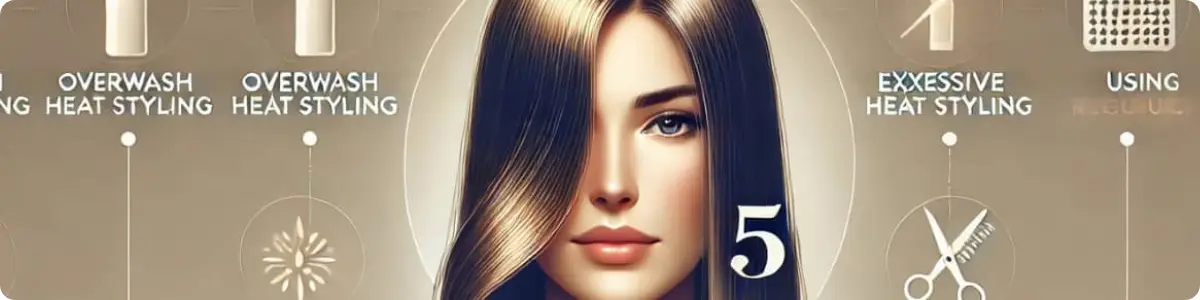
Proper hair care isn't just about appearance—it's also about the overall health of the hair strand and scalp. However, in our daily care routine, many of us adopt habits that—without realizing it—weaken our hair, reduce its shine, and accelerate damage ⚠️
From using the wrong shampoo to excessive heat and lack of hydration, the most common mistakes are often simple, but their consequences are long-lasting. In this article, we've gathered the 5 most common hair care mistakes and show you how to easily avoid them, so your hair stays healthy, strong, and full of vitality ✔️
One of the most common and insidious hair care mistakes is choosing a shampoo without considering the actual type of hair and scalp. Shampoo isn't just a cleanser—it's the foundation upon which your entire care routine is "built."
When the shampoo doesn't match your hair's needs, the natural balance of the scalp is disrupted. This can lead to oiliness, dehydration, frizz, or even significant dullness. Hair reacts immediately and sends "signals" that something isn't working properly.
For example, a deep cleansing shampoo can strip natural oils from dry hair, making it brittle and lifeless. Similarly, an overly moisturizing shampoo on oily hair can weigh down the strands and accelerate oiliness.
The same applies to special cases like color-treated, fine, or curly hair. Each type has different needs and requires targeted care ✔️
What to do: First, identify your hair type and choose a shampoo specifically designed for those needs. Avoid sulfates if you have dry or color-treated hair and prioritize gentle, balanced formulas.
Daily washing is considered by many to be synonymous with cleanliness. In reality, however, it can prove particularly damaging to your hair and scalp. Natural sebum acts as a protective filter, and when it's constantly removed, your hair loses its natural defense.
The more frequently you wash your hair, the more your scalp tries to compensate for the loss by producing more oil. The result is a vicious cycle: oilier hair, more frequent washing, more dehydration.
Additionally, over-washing can cause itching, irritation, and dandruff, while the hair strand becomes weaker and more prone to breakage. Shine decreases and frizz becomes more pronounced.
Balance is key: Oily hair needs washing every 1–2 days, while dry, curly, or color-treated hair usually needs just 2–3 times per week ✔️
If you can't avoid frequent washing, choose gentle shampoos that respect the natural balance of the scalp.
Hot water gives a sense of relaxation, but for your hair, it can be destructive. High temperature opens the hair cuticles and more easily removes the natural oils that protect them. The result is drier, duller hair that's more prone to frizz.
When the scalp is frequently exposed to hot water, irritation, dryness, or even dandruff can appear. At the same time, the hair strand loses its cohesion and becomes more prone to breakage and split ends.
What to do: Use lukewarm water when washing and finish with a brief cool rinse. This way, the hair cuticles "close," retaining moisture and giving natural shine ✨
Heat styling tools are an integral part of modern styling. Blow dryers, flat irons, and curling irons offer instant results, but without proper protection, they can cause serious damage to the hair strand.
Direct exposure to high temperatures breaks down the outer structure of the hair, leading to dehydration, rough texture, and loss of elasticity. For color-treated hair, heat also accelerates color fading.
What to do: Always use a heat protectant product before styling and set your tools to lower temperatures. Whenever possible, opt for air drying to give your hair a break ✔️
"By changing my shampoo and reducing daily washing, my hair became softer and less oily."
— Maria K.
(Hair: oily at the roots)
"Heat protection made a huge difference. The blow dryer no longer 'burns' my hair and it looks stronger."
— Eleni S.
(Hair: color-treated)
"I started using a hair mask twice a week and the split ends significantly decreased within a month."
— George N.
(Hair: dry at the ends)
"Small changes in my routine made a big difference. My hair looks healthier without excessive products."
— Dimitris P.
(Hair: normal)
The ends of your hair are the "oldest" and most stressed part of the strand. They're exposed daily to heat, styling, brushing, and environmental factors, which is why they need targeted hydration and protection. When this is skipped, damage quickly becomes visible.
Lack of moisture leads to split ends, breakage, and intense frizz. Hair loses its elasticity and looks dull, without movement and vitality. Simple conditioner after washing isn't always enough to meet these needs.
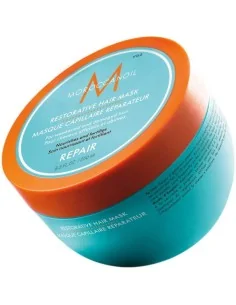
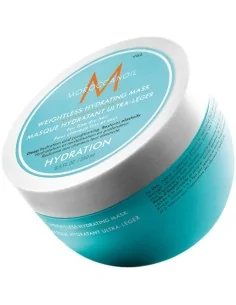
What to do: Include leave-in conditioners, hair masks 1–2 times per week, and light oils for the ends in your routine. Additionally, regular trimming every 6–8 weeks prevents split ends from spreading ✨
Right Shampoo
Chosen based on hair and scalp type, without weighing down or drying out.
✔️ Balanced cleansing
✔️ Healthy appearance and shine
Wrong Shampoo
Ignores hair needs and disrupts the natural balance of the scalp.
⚠️ Oiliness or dryness
⚠️ Dull, tired-looking hair
Moderate Heat
Using heat protection and lower temperatures when styling.
✔️ Strength and elasticity
✔️ Color preservation
Excessive Heat
Styling without protection that gradually weakens the hair strand.
⚠️ Split ends and breakage
⚠️ Dehydration and frizz
Most hair problems don't arise from lack of products, but from wrong habits. Small daily choices—like the right shampoo, washing frequency, and heat protection—have a huge impact on long-term hair health.
Experience from the professional hair care industry shows that the healthiest hair isn't the result of excess, but of balance. When hair receives what it truly needs, it rewards you with shine, strength, and natural movement.
Invest in the right routine and your hair will show it every day. Consistency is the secret to lasting results ✔️

Subscribe to our newsletter and receive meaningful content about hair, grooming, and men's care, just as we share it daily in our barbershop.
No spam. Just substance.
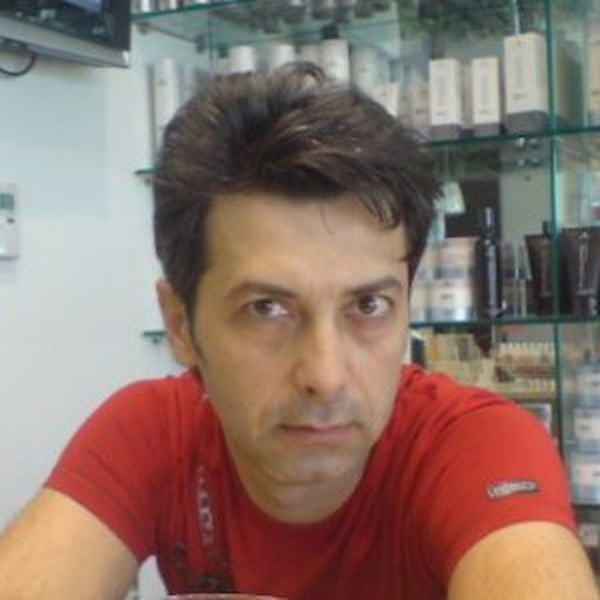
Giannis – Owner of HairMania Greece & Founder of HairMaker.Gr
Professional hairdresser with 25 years of experience in hair care.
Articles are based on real experience from the barbershop and daily contact with clients.
Contact: info@hairmaker.gr




Comments (0)