
Shopping Cart
There are no more items in your cart


Available
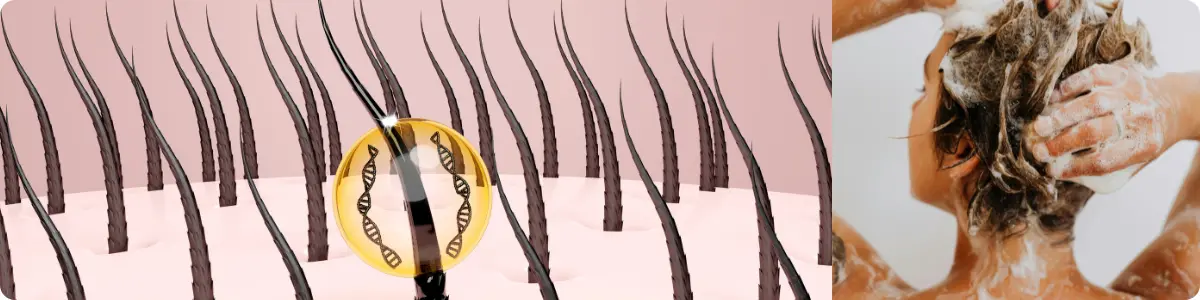
Dandruff is one of the most common scalp problems and can affect anyone's confidence and daily comfort. It appears in the form of white or yellowish flakes, often accompanied by itching and irritation, creating the feeling that the scalp isn't "clean," even if you're washing it properly ✨
Although it's not a serious condition, understanding the causes of dandruff and choosing the right care routine can make a huge difference. In this guide, based on real experience with professional products and daily customer needs, you'll find practical solutions, useful tips, and everything you need to know to maintain a healthy, balanced scalp without flakes ✔️
Dandruff doesn't appear suddenly without warning. It usually starts with mild itching and small flakes that become visible on the shoulders or at the hair roots. Over time, if not treated properly, it can develop into intense irritation and continuous flaking, affecting both appearance and daily comfort.
The flakes can be white or yellowish, depending on whether the scalp is dry or oily. In many cases, the problem worsens in winter due to dry air or during periods of intense stress, when the skin's natural balance is disrupted.
A characteristic feature of dandruff is that it's not limited to just the visible part of the hair. The scalp may exhibit:
In barbershop environments, dandruff becomes immediately visible after a haircut or styling. Using products without proper cleansing worsens the phenomenon, as residue "sticks" to the flakes and makes them more noticeable. Correctly diagnosing the type of dandruff is the first and most critical step for effective treatment.
The appearance of dandruff is linked to many different factors and is rarely caused by just one reason. In practice, it's a combination of biological, environmental, and daily habit factors that affect the scalp.
One of the most common "culprits" is the fungus Malassezia, which naturally exists on the skin. However, when it finds favorable conditions – such as increased oiliness – it can multiply excessively and cause intense flaking.
Other common causes include:
Diet and lifestyle also play a significant role. Deficiency in B vitamins, zinc, or omega-3 fatty acids, combined with stress and poor sleep quality, can significantly worsen the problem. In our experience, when these factors are corrected alongside proper treatment, the results are much more stable and long-lasting ✨
Modern dandruff care is based on dermatological evidence rather than assumptions or myths. Two well-established findings from international research clearly explain why certain treatments work better than others.
Discover all shampoos for effective dandruff treatment
One of the most common mistakes in treating dandruff is treating it as a single problem. In reality, the scalp's reaction differs significantly depending on its type: dry, oily, or sensitive. Proper identification is crucial for choosing the right shampoo and routine.
On a dry scalp, flakes are usually small and "light," accompanied by an intense feeling of tightness. In contrast, on an oily scalp, flakes are more sticky, yellowish, and often combined with redness. In the barbershop, this difference is immediately visible with the first pass of the comb.
When the product matches the scalp type, dandruff subsides faster with less chance of recurrence. This is why in professional settings, the choice is never made "blindly."
As simple as it sounds, proper washing is the foundation for treating dandruff. It's not enough to just choose a good shampoo; the method and frequency of use are equally important.
In practice, we often see people constantly changing products without results, while the problem lies in rushing or incorrect application. The shampoo needs time to work on the scalp, especially when it contains active anti-dandruff ingredients.
Consistency is key. A proper washing routine, adapted to your scalp type, can significantly reduce dandruff within a few weeks and provide long-term balance and comfort.
Not all anti-dandruff shampoos are the same. The real effectiveness lies in the active ingredients and how they work with your scalp type. In practice, the right formula reduces flakes, soothes irritation, and restores the skin's natural balance.
From our experience in daily use and professional washing, some ingredients stand out for their consistent performance and the quick relief they provide:
When the shampoo is chosen correctly and used consistently, improvement is gradual but steady. This is why we always recommend a 3–4 week routine before evaluating results ✨
Reliable information about dandruff should never rely on myths or assumptions. This guide is built on dermatological research, clinical observations, and real-world experience from daily professional practice. Every recommendation you read here is grounded in verified knowledge.
Even when dandruff subsides, the work doesn't end there. The scalp needs maintenance to stay healthy and balanced. In daily practice, we often see flakes returning when the problem is "forgotten" as soon as it improves.
The solution isn't continuous use of strong shampoos, but smart rotation and proper care. In professional settings, this translates to simple but consistent habits.
With small adjustments to your lifestyle and the products you use, dandruff can stay under control for a long time. Consistency is the real "secret" to a clean and comfortable feeling on the scalp ✔️
Dry Dandruff
Fine, white flakes that fall easily and are accompanied by a feeling of tightness.
✔️ Gentle shampoo
✔️ Scalp hydration
⚠️ Avoid overwashing
Oily Dandruff
Yellowish, sticky flakes with redness and often intense itching.
✔️ Antifungal action
✔️ Sebum regulation
⚠️ Avoid heavy products
Seasonal Dandruff
Appears mainly in winter or during temperature changes.
✔️ Protection from dry air
✔️ Consistent routine
⚠️ Avoid hot water
Chronic Dandruff
Persistent condition that recurs if proper care is discontinued.
✔️ Maintenance routine
✔️ Targeted ingredients
⚠️ Avoid constant product changes

Subscribe to our newsletter and receive unique content about shaving, beards, hair, and pure men's grooming — just like we share it in the barbershop.
No spam. Only substance.
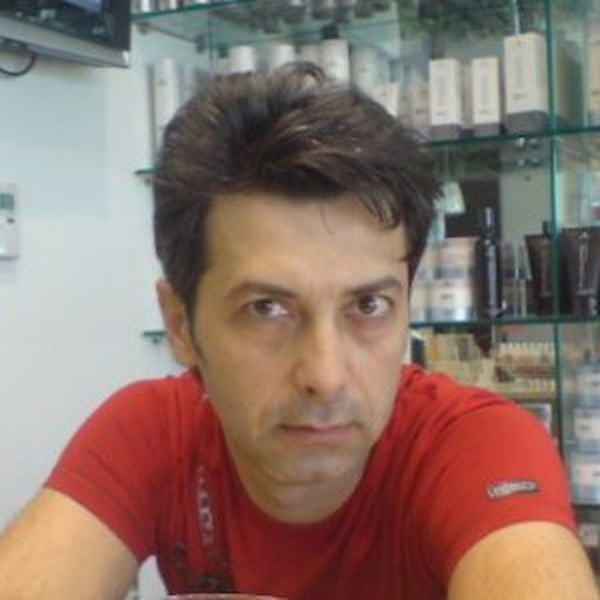
Giannis – Owner of HairMania Greece & Founder of HairMaker.Gr
Professional hairdresser with 25 years of experience in hair and beard care. Owner of HairMania Greece and founder of HairMaker.Gr.
Together with the HairMaker.Gr team, I publish articles based on real tests, customer feedback, and barbershop experience.
Questions about hair or grooming? info@hairmaker.gr
Follow us:
Instagram @hairmakergr | Instagram @hairmaniagr
Facebook | YouTube | Pinterest



Comments (0)